
Rocky Boy's 9-1-1 System Upgrade with Vision Net: A Case Study in Next-Gen Technology

Rocky Boy Law Enforcement was facing challenges with an outdated call-taking system that had limited capabilities. They turned to Vision Net, a trusted local provider with headquarters in Great Falls, Montana, to implement their advanced 9-1-1 call-taking solution.  
Client Needs and Vision Net Advantages  

Rocky Boy Law Enforcement sought to replace their outdated call-taking system with one offering advanced features. The new system addressed their needs perfectly, providing:  

·         Improved Mapping: Integrated mapping for better dispatch accuracy.  

·         Advanced Analytics: A powerful platform to analyze call data for informed decision-making.  

·         Next-Gen Ready: Designed for NG9-1-1, handling text, video, and data from various sources.  

·         Space-Saving Efficiency: Smaller servers with lower power consumption.  

Challenges and Vision Net's Support  

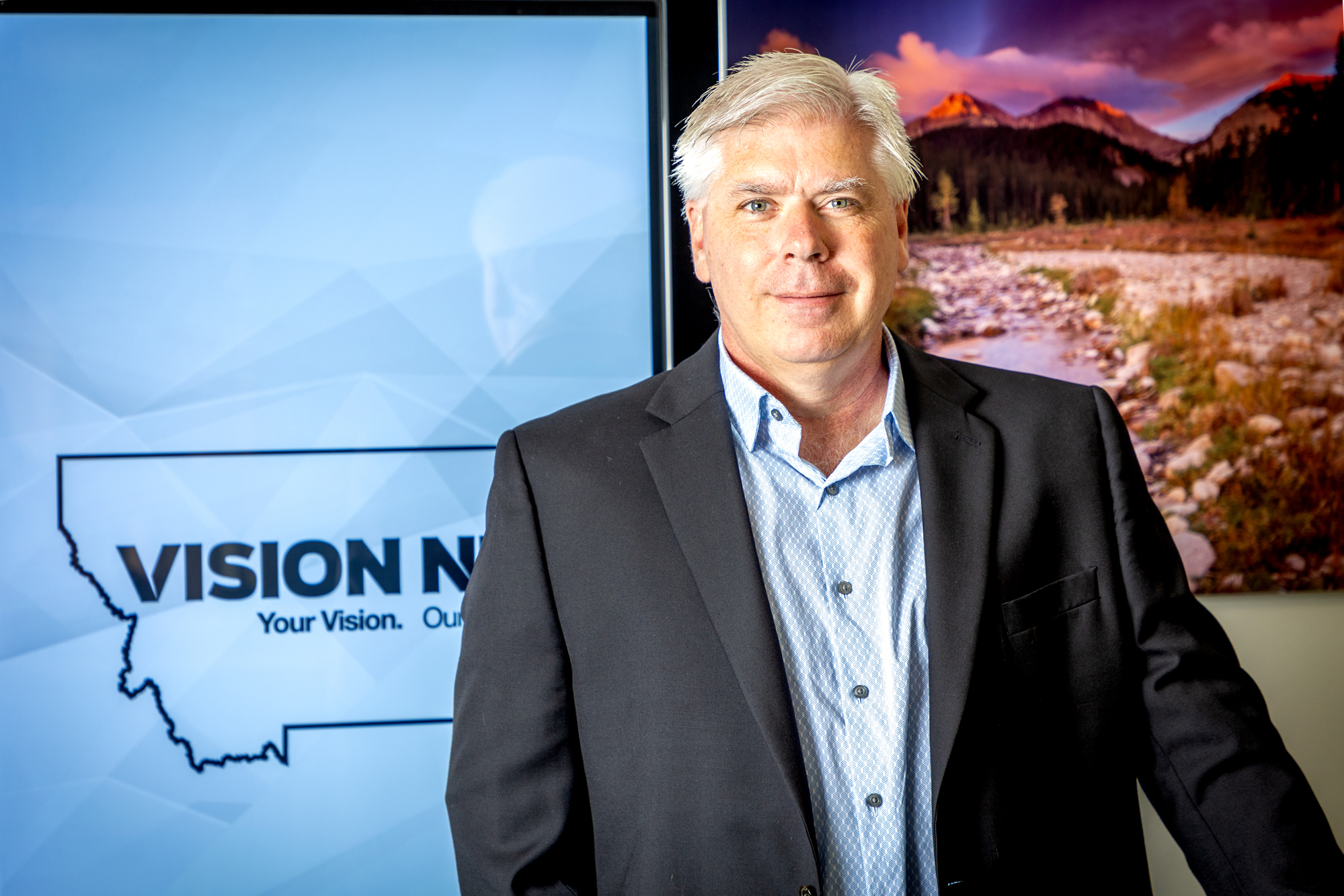
The biggest challenge was integrating Rocky Boy's existing mapping data into the new system. Vision Net's PSAP team collaborated with local authorities to ensure seamless data transfer. “Vision Net's understands the importance of a smooth transition for emergency service providers. We worked closely with Rocky Boy to ensure the new system integrated seamlessly with their existing workflows.” said Bill Daniels, Vision Net’s 9-1-1 Supervisor.  

Direct Purchase Benefits  

By purchasing directly from Vision Net, Rocky Boy benefited from:  

·         Favorable Pricing: Competitive pricing, allowing access to advanced features at a substantially lower cost.  

·         Local Support: Direct access to Vision Net's Montana-based team for ongoing support and maintenance.  "Customer service is key, and if your support is coming from another state, it could mean delays fixing your system when there are problems. Being right here in Great Falls, Vision Net can roll anywhere in the state at a moment's notice."  

·         Future Control: Peace of mind with a 5-year service and maintenance plan, ensuring system reliability and NG9-1-1 readiness.  

Seamless Transition and Training  

Vision Net addressed Rocky Boy's concerns regarding training and system transition smoothly:  

·         Comprehensive Training: Provided experienced trainers familiar with dispatcher needs.  

·         Zero-Downtime Cutover: A seamless transition with no interruption to emergency services.  

Meeting Objectives and Beyond  

The project successfully achieved its primary objective of replacing the outdated system. Additionally, Rocky Boy gained valuable features like integrated mapping and advanced analytics.  

Next-Gen Capabilities  

The new system positions Rocky Boy for the future of emergency response with its:  

·         Digital Infrastructure: Designed for SIP technology, enabling efficient data transfer.  

·         Multi-media Support: Ready to handle text, video, and data from various sources.  

·         Advanced Network Integration: Seamless connection with Montana's existing ESINet network.  

Overcoming Legacy System Limitations  

The VIPER system replaced a system that no longer met the evolving needs of a modern PSAP. Now, Rocky Boy can:  

·         Integrate with various dispatch and recording systems.  

·         Send data to multiple sources for enhanced situational awareness.  

Ensuring User Adoption  

Vision Net ensured a smooth transition by:  

·         Understanding Client Needs: Conducting a site survey to assess existing infrastructure and workflows.  

·         Collaborative Design: Working with Rocky Boy to design an interface tailored to their needs.  

Technical Expertise  

Vision Net's experience played a crucial role in:  

·         Facilitating Transition: Simplifying the transition from the old system to the new one.  

·         Technical Integration: Ensuring seamless integration with Rocky Boy's existing systems and power infrastructure.  

Customization for Success  

Mapping data customization was a key factor in the project's success. Vision Net ensured timely, relevant, and user-friendly data display for dispatchers.  

Improved Communication  

The focus on customer service throughout the project resulted in:  

·         Strong Client Relationship: Ongoing support and communication throughout the process.  

·         Enhanced Situational Awareness: Integrated mapping for faster and more accurate dispatch.  

Public Safety Enhancement  

The new system has demonstrably improved public safety:  

·         Reliable System: Confidence in a stable and secure call-taking system.  

·         Proven Performance: Flawless operation during a critical incident soon after implementation. Just one night after go-live, the VIPER system was put to the test responding to a tragic double homicide incident. "The system performed flawlessly."  

Lessons Learned and Recommendations  

Rocky Boy's experience offers valuable insights for other organizations considering similar upgrades:  

·         GIS Data Update: Prioritize updating GIS data for accurate NG9-1-1 call routing.  

·         Local Support: Seek reliable vendors with local presence for prompt technical assistance.  

Empowering Public Safety  

The partnership between Rocky Boy Law Enforcement and Vision Net, fortified by the implementation of the VIPER 9-1-1 call-taking system, stands as a testament to the transformative potential of modern technology in enhancing public safety and emergency response readiness.   

Case Study | Billings Depot

How the Billings Depot Leveraged its Digital Customer Experience to Thrive During the Pandemic

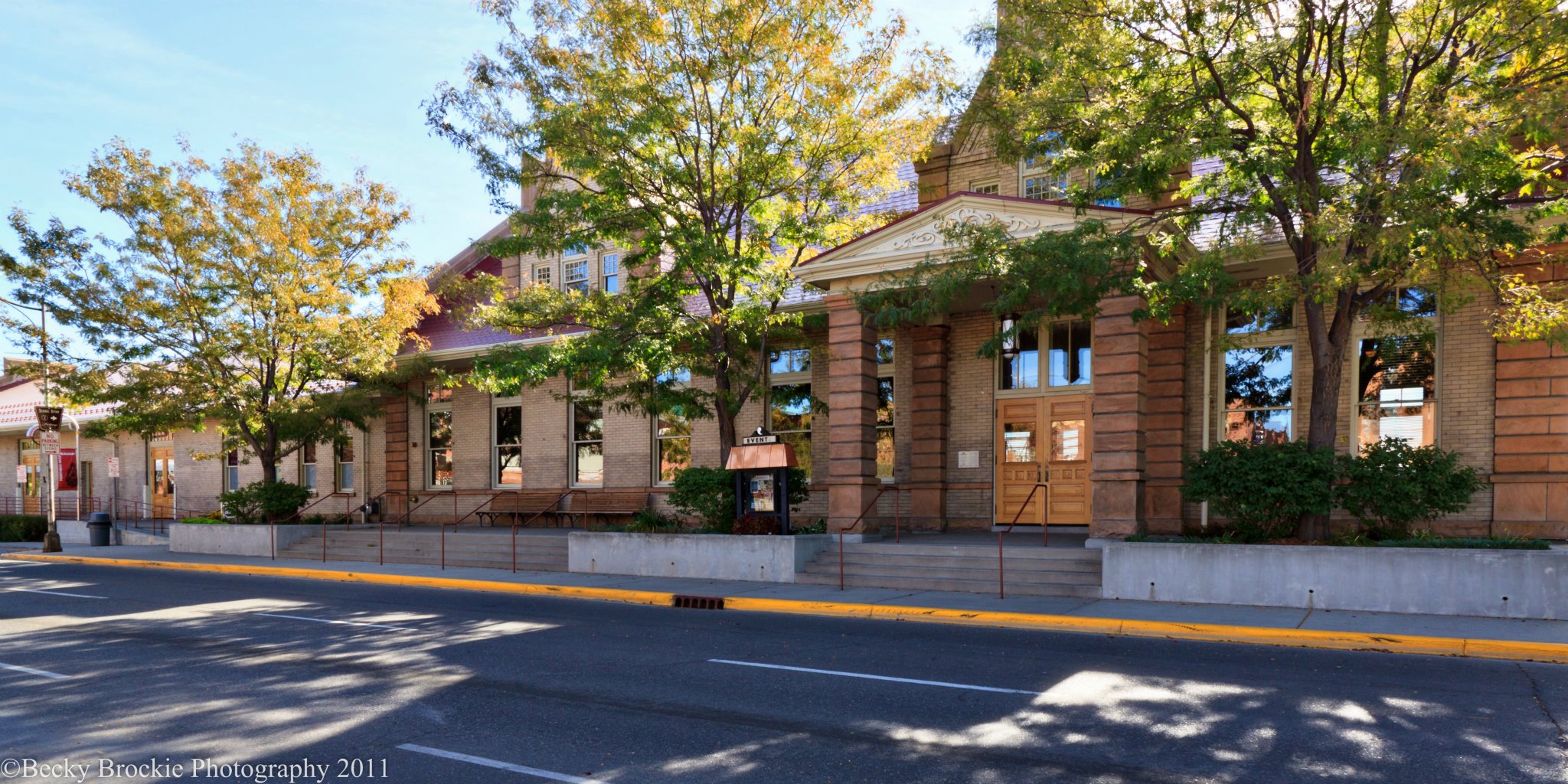
What does a special events venue do when a global pandemic threatens its business model by limiting or outright canceling public gatherings? In the case of the Billings Depot, it quickly adapts to provide a new and remote event option. Situated in downtown Billings, the Billings Depot is one of the city’s most popular settings for weddings, business meetings and community events. Originally built in 1909 as a train station serving three different railroads, the Depot has hosted a notable roster of guests including presidents, governors, Hollywood celebrities and other dignitaries. Further cementing its impressive reputation, the Depot is listed on the National Register of Historic Places.

The Challenge | Finding a technology solution that would deliver a seamless customer experience both online and safely in-person while adhering to the strict design codes of the National Register of Historic Places.

Event businesses were thrown a curveball in early 2020 when the Covid-19 pandemic first set in. As the nation implemented widespread shutdowns, there was tremendous impact on facilities such as the Depot. Not only were large gatherings banned but travel was also curtailed, and many previously scheduled events (graduation ceremonies and summer weddings) faced outright cancellation.

Billings Depot Executive Director Michelle Williams and Business Manager Marci Raihl knew their business model had to change and used the opportunity to invest in new technology and upgrades throughout the campus. They moved quickly to create an online, streaming event component that would enable the facility to meet strict local, state and CDC guidelines while also enabling guests to participate remotely.

After much research and discussion, the Depot team decided to invest in a full-service video streaming solution. While this may sound straightforward, it was anything but. As a historic building, the Depot abides by strict building and design challenges for its many technology components, such as sound, lighting, video and IT. Each of these associated tech providers needed to find the right solution in light of the new challenges. And as Raihl noted, it was critical for each of the teams involved to coordinate with one another.

“An integrated approach was key to pulling this off,” Raihl said. “Scheduling had to consider what each of the other teams was doing on any given day and time and we often had other people visiting as they considered us for a future event.”

Further compounding the challenge was a hyper-compressed timeline: The Depot had numerous weddings scheduled for the summer of 2020, as well as a rapidly-approaching graduation ceremony planned for the Billings Clinic. Time was of the essence. And while Raihl and Williams were eager to get estimates from numerous IT providers, they quickly learned that not all were eager to embrace such a complex project.

“Given our historic building status and the strict building codes that accompany it, along with our outdated technology infrastructure and those looming events,” Williams said, “most companies were quick to say no.”

Vision Net was one company who embraced the opportunity, viewing it as a challenge that could and should be solved.

The Solution | Update the technology infrastructure and install new Wi-Fi while abiding by the historic building’s many structural and aesthetic requirements.

Vision Net Business Development Manager Roy Alexander and engineer Darrell Ogg oversaw the project. They drew on their training, tools and certifications to produce a functional design while respecting the history of the structure of the building.

A key aspect of the new video solution involved updating the technology infrastructure to include greater bandwidth capacity and higher speeds in order to stream special events live online. In any other building, a tech team might simply drill into the ceiling to hang the new Wi-Fi access points. Given the Depot’s Historic Places status however, this wasn’t possible. As Ogg put it: “The building codes limited where and how we could solve this problem. Because of this, we needed to be creative.”

More specifically, because the team couldn’t drill into the historic plaster ceiling as they normally would, they opted instead to to take advantage of existing ceiling access points. Unfortunately, upon doing this, they were greeted by a large wooden beam blocking their way. “It was definitely two steps forward, one step back many days,” Ogg said, “but we always trusted that we’d find our way.” Ultimately, the team installed the new Wi-Fi solution in the ceiling about a foot below the beam.

“This was an opportunity for our team to exercise their creative and technical acumen,” Alexander said. He further explained that installing 21st century wireless technology in an early 1900s building posed numerous of challenges, from maintaining the aesthetic to overseeing signal propagation through plaster lathe.

Yet, the sales engineers and installation technicians met the challenges head-on. They not only fabricated a custom mount for the Wi-Fi access point, they obtained a sample of the paint color used in the building and then matched it for the custom mount.

“Having an installation technician like Darrell with the experience, training and creativity necessary made this a fun and rewarding opportunity for the entire company,” Alexander said.

The Billings Depot project included a much-needed upgrade to the existing phone system. The Billings Depot team needed to be able to stay in communication with clients even if they weren’t in the building, something not uncommon during the pandemic. As Alexander noted, “the Billings Depot team needed a seamless communications experience that moved across all their communications tools with one identity, the Billings Depot.

Vision Net opted to leverage its phone communications solution, Vision Voice, with a hosted VoIP platform and Unified Communications application to ensure that the Billings Depot team could stay in contact with each other and with customers through voice, video, chat and content sharing, thus positioning themselves to continue delivering a high level of customer service.

The Outcome | Usher in modern technology to a 1900s building to maintain safe distance and introduce virtual access for an exceptional customer experience.

Bringing a historic building’s aging communications infrastructure into the 21st century initially seemed impossible. Yet, Vision Net’s sales and engineering teams met the challenge with determination and creative problem-solving.

Ogg noted that the Billings Depot project perfectly captured what many in the IT and telecommunications industry have experienced this past year. “Covid-19 has shown us time and again that what people thought was working, and perhaps was working pre-pandemic, wasn’t enough to meet the new virtual and remote requirements for delivering on the customer experience.”

The Billings Depot met its pending deadlines. The Billings Clinic graduation event was the first to launch, leveraging the new video streaming technology. According to Raihl, the event went off without a hitch, with Vision Net’s expertise and guidance playing a central role.

“The Vision Net team was extremely easy to work with, from Account Executive Christina Halverson’s project management skills to the tech team scheduling work around our brides and other event participants and providers,” she said. “It was a pretty seamless experience through a rather complicated process.”

Williams highlighted the partnership with Vision Net as a key differentiator. “So often, companies act as order-takers with no real thought to other or perhaps better solutions,” she said. “Vision Net took the time to truly understand what our end goal was and then gave us different options, ultimately guiding us to the best solution. And, they saved us money in doing so which is incredibly valuable as a nonprofit.”

Looking to the future, the Billings Depot team imagines a blend of in-person and virtual events. “The pandemic shifted how and where people interact,” said Raihl. “Our upgraded technology infrastructure paired with a streaming option means we’re able to deliver a seamless user experience, no matter if it’s fully in-person or a hybrid model that includes remote users.”

Case Study | How a move to a new Phone System positioned one Montana business to weather the COVID-19 pandemic

Dialing telephone keypad concept for communication, contact us and customer service support

Overview

In early March 2020, Montana-based independent financial and retirement planning consultants Ed Ulledalen and Molly Van Binsbergen contacted Vision Net about a possible phone system upgrade. Their Billings office had a basic, fixed-line phone system, but wanted a more flexible solution to work remotely when needed.

Specifically, Ulledalen was traveling often to visit his young grandchildren and needed to stay connected to his clients and the office from afar. Similarly, Van Binsbergen was working more often from home but felt limited by a phone system that didn’t move with her. To illustrate how dated their existing phone system had become, if the outgoing message on their answering machine needed to be updated, one of the two needed to visit the office and record in person.

“Our phone system had worked great for many years, but our professional lives were changing and we needed a better solution, tailored to our more remote work lifestyles,” Ulledalen said. He added that he wanted to ensure that client messages weren’t “sitting waiting for us to check voicemail when we got back to the office.” They needed a system that empowered remote work and seamless customer communication.

Within weeks of contacting Vision Net, their entire business model—and most of the world’s—suddenly required this same remote working flexibility.

The Challenges

  1. Updating to a system that is easy to navigate, implement and use while providing all the benefits of the latest technology.

Both Ulledalen and Van Binsbergen were eager to upgrade to a newer communications platform but wanted to ensure it was easy to install and navigate. They didn’t want anything too cumbersome or technically-demanding. “It really needed to be plug and play so we could get back to work without missing a beat,” Ulledalen said. “I didn’t want a lot of downtime spent learning a new system.”

  1. Operating under one identity to mitigate confusion and create more seamless communication.

Equally important was the ability to generate one consistent identity with their clients. With their existing phone system, the two had to tap personal cell phones, texting, and instant messaging tools when working from afar, leaving clients with multiple—and possibly confusing—points of contact. The new system needed to provide seamless identity integration across all devices, no matter where they might be logging in from. “Many of our clients are elderly,” Ulledalen said. “Having one point of contact per team member is critical.”

The Solution

Leverage Vision Net’s UC Mobility App

After meeting with Ulledalen and Van Binsbergen to best understand their work needs, the Vision Net team immediately went to work transitioning the two to a new unified communications solution that included new phones and Vision Net’s UC Mobility App.

The UC Mobility App is a seamless telecommunications experience that integrates voice, video, and instant messaging under one identity. It’s easy to use and can be accessed from an office phone, desktop computer, laptop, cell phone, or tablet. Calls to each team member’s dedicated office line are immediately transferred to the chosen mobile tool when and if they are out of the office, eliminating lost calls and delayed response times.

Features include the ability to share screens, schedule virtual meeting rooms (ideal for financial planning sessions with clients), HD Voice and Video calling, and integration with Outlook calendars and address books. Plus, it’s highly secure, enabling rapid information exchange through real-time chat and presence that is integrated with the voice platform. And like all Vision Net solutions, the UC Mobility App comes backed with Vision Net’s 24/7/365 Network Operations Center (NOC) support, meaning that questions or concerns are answered and addressed immediately. To meet the special needs of the financial industry and its clients, Vision Net integrated a scanner and fax tool into the service.

The Outcomes

Vision Net empowers a work-from-home business model

Ulledalen and Van Binsbergen were more than pleased with the new service and the flexibility the UC Mobility App provided. Neither imagined how significant a lifeline it would play as much of the world moved to a new normal of “stay-at-home” quarantines.

In Ulledalen’s own words, the new telecommunications platform was remarkably easy to use and immediately improved the consultancy’s business model. The new phones delivered far greater clarity and sound than the previous ones, calls were seamlessly transferred to each person’s chosen device—a tablet for Ulledalen; a smartphone for Van Binsbergen—and response times to inbound inquiries sped up drastically. Working remotely was no longer a challenge.

Notably, they both continued normal business operations once Montana’s governor issued stay-at-home orders. As Van Binsbergen noted, the upgrade was perfectly timed in that they had the new system in place a week before it was absolutely needed. “We were ready to go, working full-time from our own homes, with technology that enabled a seamless customer experience. The timing was truly remarkable.”

Ulledalen agreed, adding that they were “receiving so much inbound traffic from clients concerned about their retirement funds. The stock market was reeling as was the economy and they wanted our attention and assurances. Vision Net’s UC Mobility App enabled us to conduct business in real-time.”

To learn if the UC Mobility App is the right fit for your business, find more information here.

Case Study | How high-speed, high-capacity technology drives a dynamic learning environment for Helena school students while positioning them for success in a competitive world.

OVERVIEW

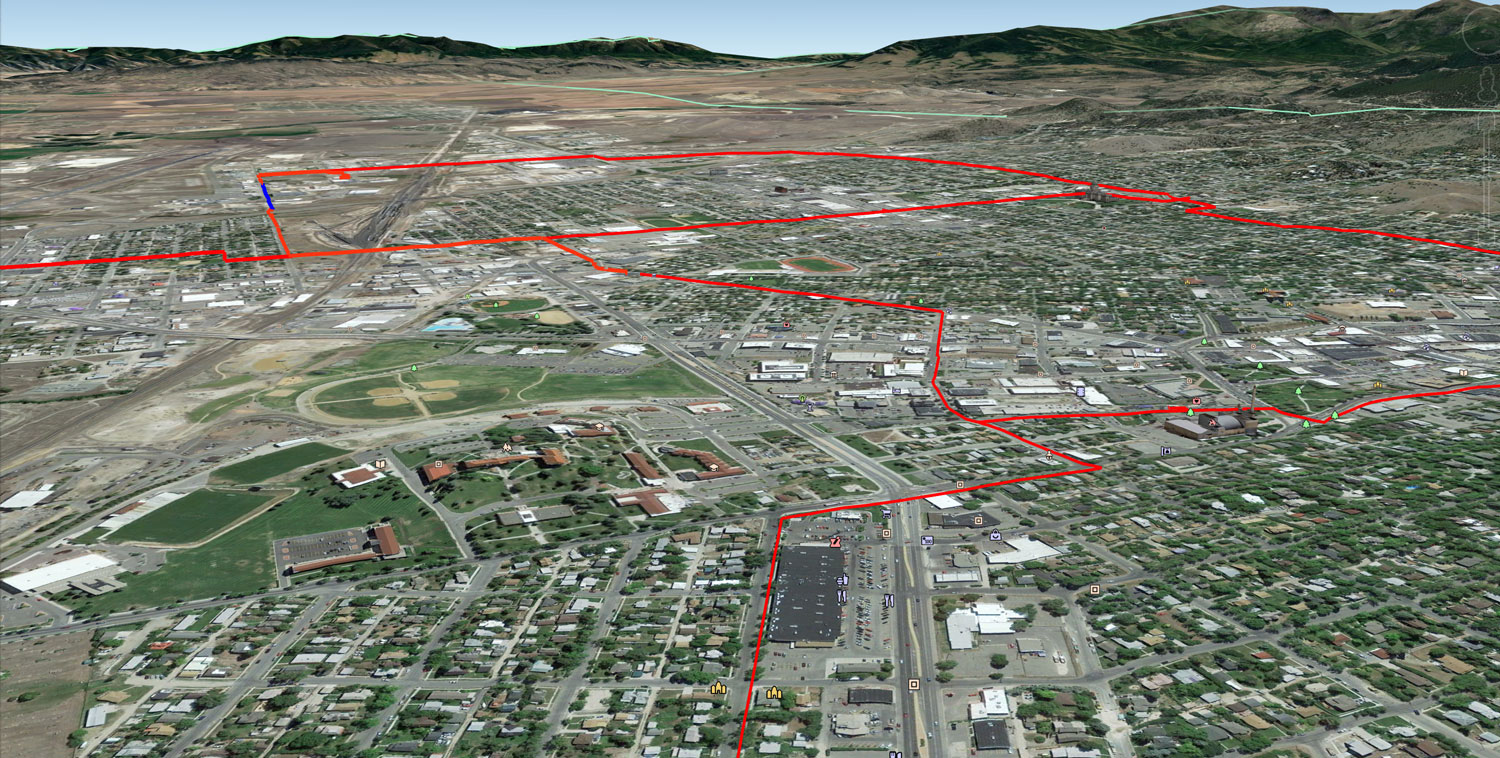
In 2018, Vision Net identified both Helena and Billings as underserved Montana metropolitan areas with a growing need for reliable, high-speed connectivity. Both communities were experiencing increasing demand from consumers, businesses, and organizations seeking a dependable solution. To address this, Vision Net committed to funding a combined 70 miles of fiber optic network across both communities, with 23 miles dedicated to Helena.

In 2019, Helena Public Schools was among the first to tap the new broadband fiber. Given the COVID-19 pandemic and the shift to remote learning, the move seems particularly prescient.

CHALLENGE

The city of Helena and many of its metro-area businesses had experienced severe Internet outages in recent years. For businesses, downtime translates into loss of revenue. For schools, a lack of connectivity is equally problematic. Teachers can’t deliver the rich and multifaceted educational content upon which their lesson plans are built, and students can’t access the same learning opportunities as their nationwide counterparts.

The Helena solution also came packaged with Vision View, Vision Net’s next-generation customer-facing portal, to simplify the performance metrics display at each location and provide a convenient way for the district’s IT team to interact with Vision Net’s network operations center. This additional level of confidence ensures a seamless online learning experience.

Another “value add” of working with Vision Net was the opportunity to partner with a local Montana business, something that Boles says translates into a highly responsive approach.

“With Vision Net, we get all the bells and whistles of a larger, global provider, but delivered, managed, and operated in our own backyard. This really resonated with us,” he said. “The local relationship means things move more quickly.”

The task of finding a solution fell to Helena Public Schools Technology Administrator Pat Boles. After meeting with the Vision Net team and learning more about its connectivity solutions, Boles decided to tap Vision Net for new fiber to provide a fast, dependable district-wide Internet experience. “Vision Net’s offering checked all the boxes for us,” Boles said.

SOLUTION | LEVERAGE VISION NET’S NEW FIBER SOLUTION
The Vision Net design incorporates a multi-ring topography to ensure the highest level of resiliency possible. Additionally, the company’s 24/7/365 Network Operations Center (NOC) offers continuous support and addresses questions or concerns immediately. Often, Vision Net detects problems long before the school district is even aware of them.

The world is growing evermore connected and digitally powered. According to Education Superhighway, more than 44.7 million students nationwide have access to high-speed Internet. It’s critical that students in rural states have the opportunity to compete.

To address the learning gap and ensure students are prepared for success in college and for employment in a global workplace, the Helena School Board of Trustees set a goal to implement technology to enrich student learning and deliver more efficient administrative services.

In other words, the district was charged with investing in a high-speed Internet solution that could be counted on for its reliability and service. Adding to the challenge was a compressed six-month timeline requiring 19 different school district sites to be successfully connected to one another and to the new fiber.

The task of finding a solution fell to Helena Public Schools Technology Administrator Pat Boles. After meeting with the Vision Net team and learning more about its connectivity solutions, Boles decided to tap Vision Net for new fiber to provide a fast, dependable district-wide Internet experience. “Vision Net’s offering checked all the boxes for us,” Boles said.

OUTCOMES

The Helena Public Schools District has been operating with Vision Net’s new fiber for nearly a year now. Boles said it’s been a seamless experience — a good thing, he adds, as the pandemic has ushered in a new era of learning. them.

“Under COVID-19, we’ve seen schools, educators, and students become far more reliant on digital resources to drive the learning experience,” he said. “And while we don’t know exactly what school will look like moving forward, I suspect there’s no going back. Digital platforms and the connectivity needed to support them will continue to expand and play an ever-greater role in learning. I think we’re going to see a new model of education moving forward and one that is heavily reliant on technology.”

Learn more about Vision Net’s fiber investment in Billings and Helena.

Case Study | How Vision Net positioned Pioneer Technical Services for continued growth

Headquartered in Butte, Montana and with 9 offices across 3 states, Pioneer Technical Services is a full-service engineering and environmental services firm. Pioneer provides its clients with environmental, civil, and geotechnical engineering, construction management, land surveying, and materials testing expertise. Projects are often complex and multifaceted, ranging from abandoned mine reclamation and water resource management to infrastructure and municipal projects and oil and gas industry services.

Much of Pioneer’s work occurs in out-of-the-way locations, such as Kellogg, ID and Anaconda, MT. Like most businesses today, Pioneer’s work runs on the internet. Given the firm’s intricate projects and often remote locations, reliable internet connectivity is vital to the company’s ability to meet customer needs while keeping work teams connected. The need to share large amounts of data; drawings, renderings, contracts and other highly-detailed materials, significantly increases Pioneer’s network requirements.

THE CHALLENGES

Ensuring and managing reliable internet connectivity across numerous office locations, many of them remote, in a cost-effective manner

While a traditional T1 network functioned well for Pioneer, associated costs were placing undue burdens on the budget. As the company grew, these costs ballooned. Pioneer sought a cost-saving solution with no loss of reliability while providing greater visibility into its network.

Testing and then solving connectivity in remote locations

An accompanying challenge Pioneer faced, and one that placed undue burdens on Pioneer’s IT professionals, involved the complex process of determining whether a possible location had reliable internet service and, if not, were there viable solutions to address the problem? Pioneer needed to research and test each site under consideration, consult with local internet providers, and continually monitor and manage all solutions.

THE SOLUTION

Tap Vision Net’s telecommunications expertise
Vision Net addressed both of Pioneer’s challenges head-on. The telecommunications solution provider began transitioning Pioneer’s traditional MPLS network to a software-defined wide area networking solution (SD-WAN) a few years ago. SD-WAN is a broadband system that functions very much like a traditional MPLS network but at a much lower cost. It erases geographic boundaries, a key consideration for Pioneer’s multi-state network, and provides greater visibility and accessibility into the company’s continually expanding network.

“Vision Net’s SD-WAN technology is a great fit for companies like Pioneer,” says Vision Net Operations Manager Gary Evans. “It offers a host of benefits beyond increased visibility, including off-loading non-critical data to less expensive circuits and providing automated failover between last-mile circuits for a dramatic reduction of outages.”

As Pioneer CEO Brad Archibald puts it, “reliability-wise, it’s been solid. We’re truly pleased with the service Vision Net provides.”

As for the second challenge, Vision Net’s telecommunications professionals work closely with the Pioneer team whenever the company considers a new location, testing bandwidth and connectivity at expansion sites while partnering with the area’s local internet service provider (ISP) to address problems and, when appropriate, provide enhancements or improvements. If the site is selected, Vision Net continues to be involved, essentially managing the process and overseeing the local provider.

As Evan notes, this value-add is a key differentiator for Vision Net. “We believe staying nimble and flexible for our customers is critical to offering them the best network solutions for their unique technical and budgetary requirements.”

Pioneer IT Manager Ryan Bekkum says having Vision Net oversee this important piece of the business is highly valuable as it “frees us up to focus on our own customers’ needs.” He further notes that Vision Net “often sees problems before we do, and then works diligently to solve them.”

CASE IN POINT

A few years ago, Pioneer sought to connect to its network a new office located in an isolated valley outside of Kellogg, Idaho. Finding a service provider in the area capable of delivering symmetrical bandwidth of up to 20 Mbps proved challenging.

As Bekkum explains it, he literally couldn’t find anyone who could meet these standards. “Cell service seemed to be our only option,” he said, “but we know from experience that it’s often not reliable or scalable enough for our needs.”

In search of a better solution, the company sought Vision Net’s guidance. “Vision Net stepped in and worked to find a local provider that could be tapped and at the right price,” Bekkum said. Working with Frontier Communications on behalf of Pioneer, Vision Net was able to provide a solution designed to fit Pioneer’s needs on budget. And Vision Net’s 24/7, 365 Network Operations Center (NOC) continually monitors the service to ensure no loss of connectivity or speed. “I have great peace of mind knowing that the Vision Net team is continually scrutinizing and supporting our network,” Bekkum says.

THE OUTCOMES | Vision Net supports Pioneer’s growth initiatives with sound expansion plans

On behalf of Pioneer, Vision Net sources, orders, supports and manages the company’s multi-faceted, multi-location internet service. “It’s a key role for our company and one we’re pleased that Vision Net oversees.” Bekkum says. Archibald notes that it’s critical that each new site can successfully tie back into the network with reliable service. Vision Net’s partnership, he says, plays an important role in helping to determine site viability. “It’s absolutely critical to our business model,” he says. “I trust Vision Net to help us achieve and maintain this at each of our sites.”

Both Montana-based companies, Vision Net and Pioneer have now worked together for nearly 6 years. When asked if the Big Sky State connection is important, Bekkum says, “Relationships are key to our business and I do like that we can meet in person on occasion and yes, there is something to be said about working with local businesses.”

Read more about Vision Net’s SD-WAN solution.